


Ottawa’s federal budget 2026 landed on Thursday, Nov. 5, and like every budget it came wrapped in big numbers: $142.1 billion in new measures over five years and a projected $62.3-billion deficit for this year, according to CTV News. Now that the dust has settled, here is a plain-language look at what Finance Minister François-Philippe Champagne’s budget, titled “Masters of Our Destiny,” could mean for Montrealers, from the grocery bill to the price of a stamp.
One reminder before we start: a budget is a plan. Most of these measures still have to pass in Parliament before they take effect, and some details, like exact payment dates, haven’t been set yet.
Federal budget 2026: the grocery benefit top-up
The measure most households will notice is a one-time payment called the 2027 Canada Groceries and Essentials Benefit Supplement. As MTL Blog explains, it would go to people with low or modest incomes who already receive the Canada Groceries and Essentials Benefit, the quarterly payment that replaced the GST/HST credit last July.
- How much: a one-time 50% increase to your benefit for the 2026-27 benefit year. The budget’s examples: up to $339 for a single person with no children, and up to $679 for a couple with two children.
- When: early 2027, with no exact date yet. The next regular payment is scheduled for Jan. 5.
- Who: generally people 19 and older who filed a 2025 tax return. For a single person with no children, net income must be below $60,012. Most recipients get it automatically.
MTL Blog notes this follows a 50% top-up paid in June 2026 and a 25% increase that took effect in July.
Six smaller changes worth knowing
Beyond the headline items, CTV flagged six smaller measures that touch everyday life:
- Stamps: the price of a Canada Post stamp would rise from $1.44 to $2, nearly 40%, and then by 7% a year.
- Museums: free admission to national museums for people under 25 would continue through the Canada Strong Pass, at a cost of more than $500 million over five years.
- Rinks: $1.5 billion over nine years for recreation facilities, split between ice rinks and recreation centres.
- Artists: a new Canada Creative Credit for artists.
- Tax debts: the CRA could report tax debts over $50,000 to credit agencies.
- Massage therapy: no more GST/HST on massage therapists’ services.
Homelessness: a 10-year goal, and Montreal on board
The budget sets a goal of ending homelessness within a decade, with $11.2 billion over five years in new money, according to CTV. Montreal Mayor Soraya Martinez Ferrada travelled to Winnipeg on Friday to stand with Prime Minister Mark Carney and Manitoba Premier Wab Kinew in support of the plan. “Homelessness has no borders, no municipalities or provinces,” she said, as reported by CityNews.
Not everyone is convinced the money is enough. An economist with the Canadian Centre for Policy Alternatives told CTV News the plan is “probably underfunded relative to the challenge,” and the Federation of Canadian Municipalities says provinces will need to step up. For the local picture heading into winter, see our report on homelessness in Montreal this winter.
What Quebec wants from Ottawa
Quebec’s new Parti Québécois government is watching closely. On the eve of the budget, Finance Minister Nicolas Marceau said Ottawa’s “productivity mega-deduction,” a business write-off, would cost the province $1 billion a year if Quebec harmonized with it. He asked for a minimum 5% annual increase in health transfers, reimbursement of $690 million in 2024 asylum-seeker costs by March 31, 2027, and unconditional infrastructure money, according to The Canadian Press. After the budget, he welcomed the homelessness money but insisted funds be paid “quickly, unconditionally and in accordance with Quebec’s jurisdiction.” Catch up on the new team in Quebec City with our look at the PQ cabinet.
The big picture
The budget shows no path back to balance, with deficits over $50 billion projected in each of the next four years. Debt charges are set to reach $60.2 billion this year, more than the $57.4 billion budgeted for health transfers, CTV reports. Conservative Leader Pierre Poilievre called it a “costly credit card budget,” while the government argues the country’s fiscal position remains strong. Add last week’s Bank of Canada rate hike and it is a lot of money news for one fall.
What to do now
- Make sure your 2025 tax return is filed so you don’t miss benefit payments.
- If you mail a lot, keep an eye on the stamp increase before stocking up.
- Watch for the vote on the budget in the House of Commons in the coming weeks.
We’ll keep following how these measures land in Montreal. For more, visit our News section.
More on MTL365
- Climbing Gyms in Montreal: 9 Spots for Bouldering, Ropes and Rainy Days
- Weekend Recap: The Alouettes Are Grey Cup Bound, and Newhook Leads the Habs Past the Leafs
- The Best Portuguese Chicken in Montreal: 10 Rotisseries and Grills Worth the Trip
- Top Places for Live Music in Greater Montreal: 30+ Venues From the Bell Centre to Casa del Popolo
- More Montreal news on MTL365
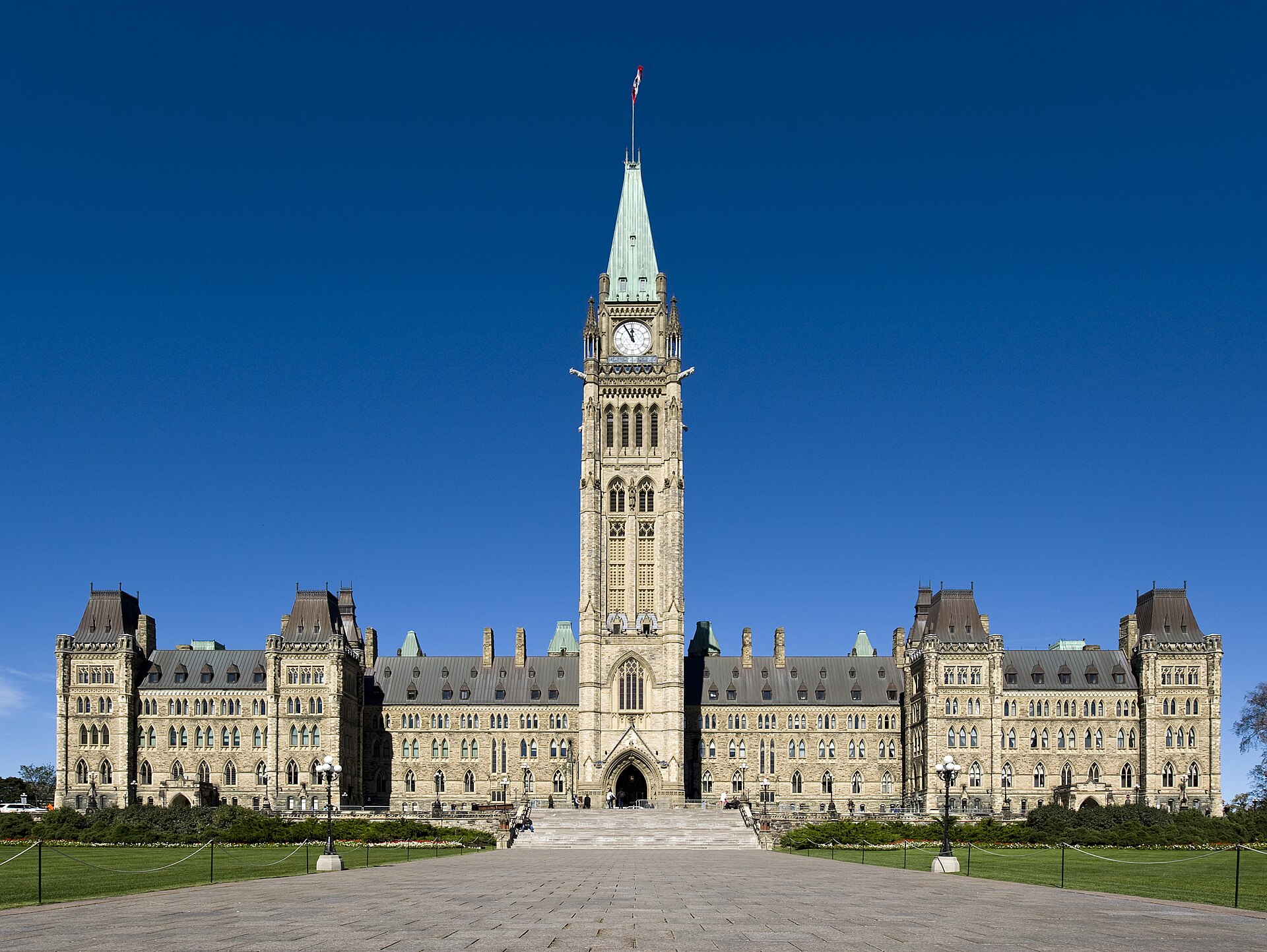
Photo: Saffron Blaze / Wikimedia Commons, CC BY-SA 3.0
Sources: CTV News, MTL Blog, CityNews / The Canadian Press, The Canadian Press via CTV
