


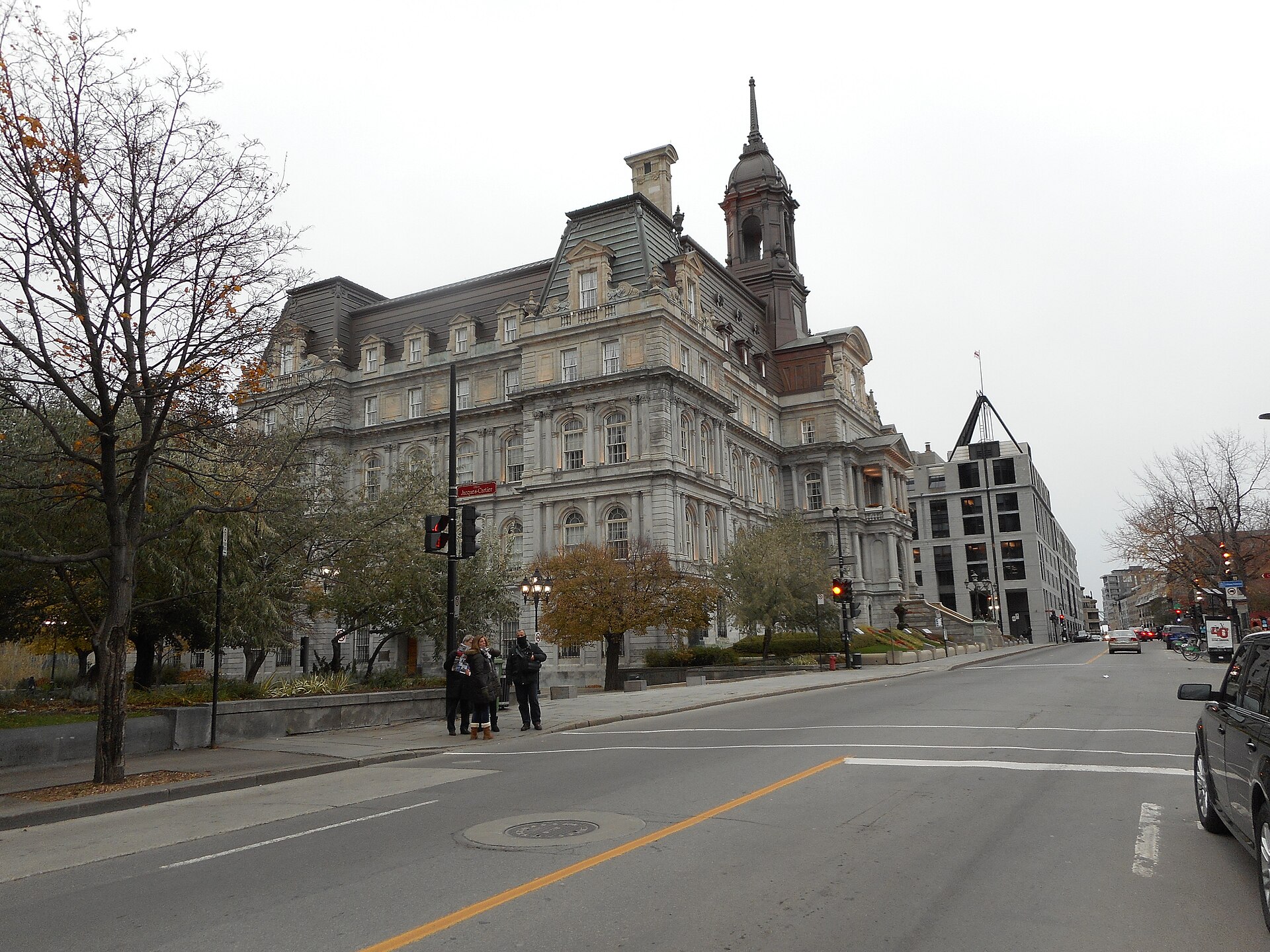
The number Montrealers were waiting for is out, and it stings. Mayor Soraya Martinez Ferrada’s administration tabled its 2027 budget on Tuesday with an average residential tax hike of 9.8 per cent, the largest in years. Here is a plain-language look at the Montreal property tax increase 2027: what it costs a typical household, which boroughs are hit hardest, where the money goes and how the budget can still be questioned before it is adopted.
For the background, see our pre-budget explainer, Montreal Budget 2027 Tabled Today: How to Watch and Have Your Say, and our earlier look at what to watch in the 2027 budget.
The Headline Numbers
- Average residential increase: 9.8 per cent, which includes a new 5.1 per cent infrastructure maintenance tax, according to Global News.
- Non-residential properties: an average increase of 6.2 per cent.
- Overall operating budget: about $8 billion.
- Recent history: increases of 3.8 per cent in 2026, 2.2 per cent in 2025 and 4.9 per cent in 2024. CityNews summed it up as property taxes jumping by nearly 10 per cent.
“I want to begin by acknowledging that we are unable to honour our commitment to limit property tax increases to inflation,” the mayor said, as quoted by CTV News. “I take full responsibility for this difficult decision.”
What the Montreal Property Tax Increase 2027 Means for Your Bill
The city says the average value of a property in Montreal, counting condos, single-family homes and multiplexes, is now $827,000. CTV reported that residents should expect a bill increase of around $512 a year for a single-family home and $313 for a condo. Your actual increase depends on your property’s assessed value and on your borough’s local tax, which is set separately.
The boroughs with the biggest and smallest increases
According to the budget documents cited by CTV:
- Highest: Montréal-Nord (11.5 per cent), Lachine (11.3 per cent) and L’Île-Bizard–Sainte-Geneviève (11.1 per cent).
- Lowest: Côte-des-Neiges–Notre-Dame-de-Grâce (8.2 per cent), Ville-Marie (8.7 per cent) and Anjou (9.2 per cent).
Renters are watching closely too. With more than 60 per cent of Montrealers renting, Global News reported the city is promising $4.5 million over three years for rent banks and $2.5 million for groups that defend tenants’ rights.
Where the Money Goes
The administration describes the state of the city’s infrastructure as a “crisis,” saying 32 per cent of Montreal’s roads are in poor or very poor condition. Highlights from the budget and 10-year capital plan:
- Roads: $6 billion over 10 years, with a goal of mechanizing pothole repair to fill up to 180,000 potholes a year instead of 75,000.
- Water: $7.1 billion over 10 years, including work on the McTavish Reservoir.
- Snow: $13.3 million for at least 40 new snow removal vehicles. Our snow removal parking guide covers what that means on your street.
- Public safety: $40 million for police body cameras and 52 new STM constables.
- Homelessness: $2 million to maintain warming stations and $29.9 million for community organizations.
Several projects were cancelled or slowed down, including work on de la Commune Street in Old Montreal and investments in the Grand parc de l’Ouest.
Drivers should note that CTV and Global both reported parking meter rates are set to rise five per cent as of Jan. 1, 2027. MTL Blog noted the budget documents point to higher street parking rates without listing the new amounts, so watch for the final grid.
The Reaction
The opposition and business groups pushed back quickly. Official Opposition Leader Ericka Alneus of Projet Montréal argued the increase should have been spread out, and the Canadian Federation of Independent Business called the budget a “disgrace,” Global News reported. The mayor said the city can no longer afford to postpone essential investments while carrying heavy debt.
What Happens Next: The Public Study and the Vote
The budget is not final yet. The city’s finance commission is holding a public study of the 2027 budget and capital plan from Nov. 25 to Dec. 4 at City Hall, also webcast, where residents can submit questions. The commission is scheduled to adopt its recommendations on Dec. 14, and a special council meeting on Wednesday, Dec. 16 is set to adopt budgets, including the STM’s 2027 budget.
Tax bills usually arrive early in the new year. If you also pay home or car insurance, read our explainer on Quebec’s insurance premium tax increase on Jan. 1, another cost coming in 2027.
More on MTL365
- Comedy Clubs in Montreal: Where to Laugh in English and French This Winter
- Canadiens December 2026 Schedule: 9 Bell Centre Games, TV and Tickets
- The Best Haitian Restaurants in Montreal: 10 Spots for Griot, Pikliz and Diri Djon Djon
- More News: mtl365.ca/category/everyday-news/
Photo: Jeangagnon / Wikimedia Commons, CC BY-SA 3.0. Sources: CTV News, Global News, CityNews, MTL Blog, Ville de Montréal (public study), Ville de Montréal (Dec. 16 meeting)
