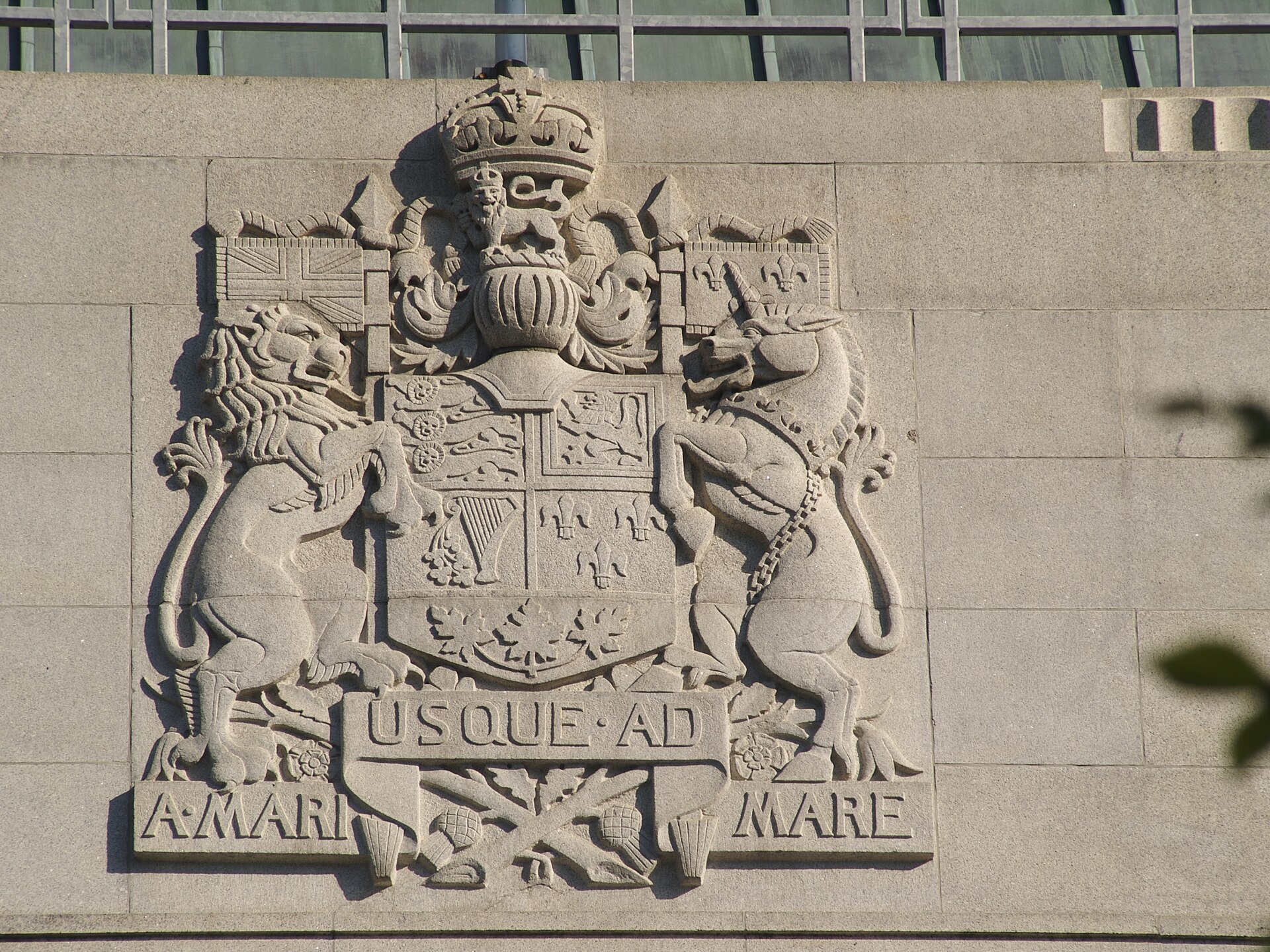
For the first time in more than three years, borrowing just got more expensive. The Bank of Canada rate hike announced on Oct. 28 lifted the central bank’s key policy rate by a quarter point, to 2.5 per cent, after holding steady for nearly a year following a series of cuts. Here’s a plain-language look at why the Bank moved, what it signalled about what comes next, and what it may mean for households in Montreal. (A reminder: this is general information, not financial advice.)
What the Bank did
According to its official announcement, the Bank raised its target for the overnight rate to 2.5 per cent, with the Bank Rate at 2.75 per cent and the deposit rate at 2.45 per cent.
Why the Bank of Canada rate hike happened now
In one word: energy. With the conflict in the Middle East in its eighth month and no clear resolution, oil prices and refinery margins have stayed high, and the Bank says businesses are increasingly likely to pass those higher costs on to customers. Key numbers from its release and opening statement:
- CPI inflation has been around 3 per cent since April and is expected to rise to about 3.5 per cent by the end of the year.
- Excluding gasoline, inflation was 2.2 per cent in September, and core measures remain close to 2 per cent, but cost pressures are building.
- Inflation is now expected to average 3 per cent in 2027, a full point higher than the July forecast, before returning to 2 per cent around mid-2028.
- The economy has been more resilient than expected: GDP grew 3.3 per cent in the second quarter, and the Bank forecasts growth of 1 per cent in 2026 and 2 per cent in 2027 and 2028.
- Unemployment has hovered around 6.5 per cent, and new U.S. tariffs are expected to slow growth in the fourth quarter.
Governor Tiff Macklem said the increase was needed to reduce the risk that high energy prices spread into broader, generalized inflation, as reported by The Canadian Press.
Will there be more hikes?
Possibly. The Bank wrote that “there could be a need to increase the policy rate further,” but that given the uncertainties it will “proceed carefully.” The next scheduled decision is Wednesday, Dec. 9, and the next full Monetary Policy Report comes on Jan. 27, 2027. You can replay the Governor’s Oct. 28 press conference online. CIBC senior economist Andrew Grantham told clients he expects a pause in December and another quarter-point hike in January, though forecasts can change quickly.
What it could mean for Montreal households
Variable-rate mortgages and lines of credit
These are the most directly affected. Lenders typically adjust their prime rates after the Bank moves, which affects variable-rate mortgages, home equity lines of credit and many personal lines of credit. Check your lender’s notice to see whether your payment or the share going to interest will change.
Fixed-rate mortgages and renewals
Fixed rates follow bond yields more than the overnight rate, but the Bank noted that government bond yields in advanced economies have risen since July. If you’re renewing in the coming months, it’s worth comparing offers early and asking about rate holds.
Savings
The flip side: high-interest savings accounts and some short-term deposits may pay a bit more. Shop around, since not every institution passes increases along at the same pace.
Everyday costs
The hike is aimed at cooling the spread of fuel-driven price increases. In the short term, though, Montrealers are already feeling higher costs elsewhere, from snow removal contracts to winter tires.
What it means for local business
Higher borrowing costs land hard on small firms that rely on credit lines to manage cash flow. The Bank’s own Business Outlook Survey tracks how companies plan to handle rising input costs, and our look at Quebec’s small businesses explains why that matters so much here.
Questions to ask now
- Is my mortgage or line of credit fixed or variable, and when does it renew?
- Would a small extra payment now reduce the impact of further increases?
- Is my emergency savings earning a competitive rate?
For tailored advice, talk to your bank or a licensed financial adviser. Watch for the Dec. 9 decision, and follow Montreal news in our News section.
More on MTL365
- CINEMANIA 2026 Opens Today: 138 Films, Belgium in the Spotlight and How to Plan Your Festival
- Laval Rocket Come Home in First Place: Three Games at Place Bell This Week
- Afternoon Tea in Montreal: 9 Tea Rooms for a Cozy November Break
- More Montreal news on MTL365
Photo: Colin Rose from Montreal, Canada / Wikimedia Commons, CC BY 2.0
Sources: Bank of Canada (announcement), Bank of Canada (opening statement), Bank of Canada (Business Outlook Survey), CityNews / The Canadian Press, Bank of Canada (press conference)