


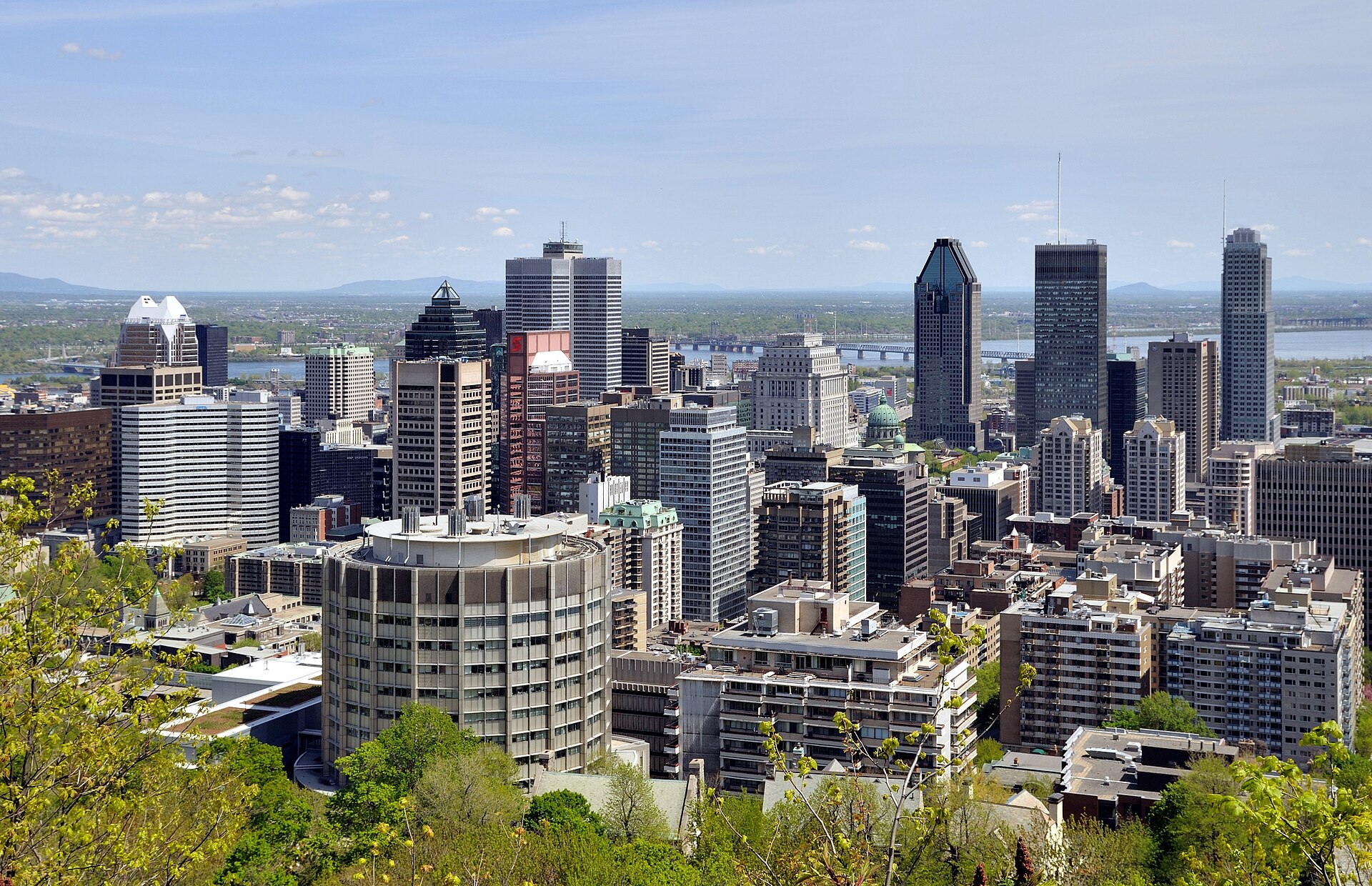
Montreal is officially chasing one of the most unusual prizes in Canadian economic development: the headquarters of a brand-new international bank for defence and security. With proposals due Thursday, Dec. 3, here is a plain-language explainer on the Montreal defence bank bid, what the institution would do, who else wants it and what it could mean for the city.
What Is the Defence, Security and Resilience Bank?
The Defence, Security and Resilience Bank (DSRB) is a planned multilateral institution that would provide “long-term, low-cost financing” for defence projects by NATO members and allies, as Global News summarized the federal government’s description. In practice, it would help allied governments and defence companies borrow more cheaply to buy equipment, ramp up production and strengthen supply chains.
Montreal already has a role in the story. In April 2026, following negotiations held in Montreal on the bank’s founding agreement, participating countries backed Canada as the host country for the headquarters, according to Daily Hive and the federal Department of Finance. In July, nine countries, including Canada, expressed their intention to establish the bank, per the Prime Minister’s Office. The bank would also have a European hub in Luxembourg, where partners are set to gather on Nov. 30 to sign its Articles of Agreement, with operations expected to begin in 2027.
The Montreal Defence Bank Bid
Mayor Soraya Martinez Ferrada and Premier Paul St-Pierre Plamondon launched the bid at City Hall alongside business leaders this week. The pitch leans on Montreal’s strengths in aerospace, finance and artificial intelligence, plus its bilingual workforce.
“Montreal is the best place because we bring together finance, aerospace, defence, AI, also international diplomacy,” said Melissa Denis, interim CEO of Montreal International, as quoted by Global News. The premier said Montreal has “all the arguments to win this.” CBC also reported that the Quebec government is rallying behind the bid.
Industry is on board too. Michael Nault, general manager of Bell Textron Canada, argued the bank should be close to the companies it serves. “The aerospace industry is here in Montreal, and so it will definitely benefit from this,” he told Global News.
Who else is competing
Global News reported that Toronto, Ottawa, Vancouver and Montreal are in the running. The formal federal competition, launched Nov. 13, is open to Canadian municipalities in general, and Vancouver has publicly pitched two downtown office towers for the bank’s early operations.
What’s at Stake: Jobs, Offices and Visitors
The numbers are more modest than some early hype suggested, but still significant:
- Staff: about 50 employees at launch, growing to roughly 700 within a decade, according to the federal call for proposals as reported by Daily Hive (earlier estimates had floated up to 3,500).
- Office space: about 7,500 square feet at startup, potentially growing to around 500,000 square feet.
- Spinoffs: Ottawa expects foreign delegations, conferences, business travel and investment, and opportunities for AI, cybersecurity, space and advanced manufacturing firms.
How the Winner Will Be Chosen
Cities must submit a bid of up to 20 pages by Dec. 3, 2026, identifying potential locations and showing how they meet the criteria. Evaluators will look at:
- Access to banking, investment and defence-industry expertise, universities and skilled workers.
- International air connections and secure digital infrastructure.
- Security, emergency response and climate resilience.
- Housing availability and affordability, schools and quality of life.
- Mandatory service capacity in both English and French, a criterion that plays to Montreal’s strengths.
Startup office space must be available within six months of the host city being selected. Doug Guzman, CEO of Canada’s Defence Investment Agency, will lead the review and give a shortlist to the prime minister and the finance minister. No timeline has been set for announcing the winner.
Why It Matters for Montrealers
Landing the DSRB would add a high-profile international institution to a city that already hosts the International Civil Aviation Organization, and it could support Montreal’s aerospace cluster. It also arrives at a delicate moment for city finances, days after a budget with a steep tax increase; see our Montreal budget 2027 explainer. Federal politics are in the mix too, with two Montreal federal byelections on Dec. 7 and the National Assembly returning Dec. 1. For the federal backdrop, revisit our take on the 2026 federal budget.
We’ll follow the decision when Ottawa announces it.
More on MTL365
- Things to Do in Montreal This Weekend (Nov. 27–29): Village de Noël Opens, Old Port Market, Salon du livre’s Last Days
- Laval Rocket Road Weekend: First-Place Rocket at Utica Tonight, Syracuse Saturday
- The Best Wine Bars in Montreal: 12 Bars à Vin for Natural Wine and Small Plates
- More News: mtl365.ca/category/everyday-news/
Photo: Taxiarchos228 / Wikimedia Commons, CC BY 3.0. Sources: Global News, Daily Hive, CBC, Department of Finance Canada, Prime Minister of Canada
