


Mark your calendar: daylight time ends in Quebec on Sunday, November 1, when we turn our clocks back one hour (at 2 a.m., according to MTL Blog). Extra sleep, darker evenings. But this year, the rest of Canada isn’t all moving together.
Who’s Changing and Who Isn’t
- Falling back on Nov. 1: Quebec, most of Ontario and Atlantic Canada.
- Staying on daylight time: British Columbia, Alberta, Manitoba and the Northwest Territories, plus parts of northwestern Ontario, including Kenora, to align with Manitoba (The Canadian Press via CTV).
What That Means in Practice
After Nov. 1, when it’s noon in Toronto (and Montreal), it will be 10 a.m. in Vancouver, and Alberta will be only one hour behind most of Ontario. If you work with colleagues or family out West, double-check meeting times and flights.
Why the Debate Isn’t Going Away
Some experts argue the twice-yearly change can harm your health. York University biology professor Patricia Lakin-Thomas told The Canadian Press the country’s time landscape is “a real mess right now” and called for a more systematic approach.
Ontario has said it would end the switch only if Quebec and New York do too, which puts Quebec’s new government in a key position on the question.
Your Nov. 1 Checklist
- Set manual clocks (oven, car, microwave) back one hour Saturday night.
- Use the change as a reminder to test smoke detectors.
- Plan for earlier sunsets on your commute.
More on what’s changing this season: our look at rising snow removal prices and Montreal’s winter plan. Follow MTL365 News.
More on MTL365
- Harvest Season at Montreal’s Public Markets: Your Fall Guide to Jean-Talon, Atwater and More
- Alouettes Watch: One Game Left, Then the Road to the Eastern Final at Molson Stadium
- Fall in a Cup: 10 Montreal Cafés Serving the Best Pumpkin Spice Lattes (and Clever Twists)
- More Montreal news on MTL365
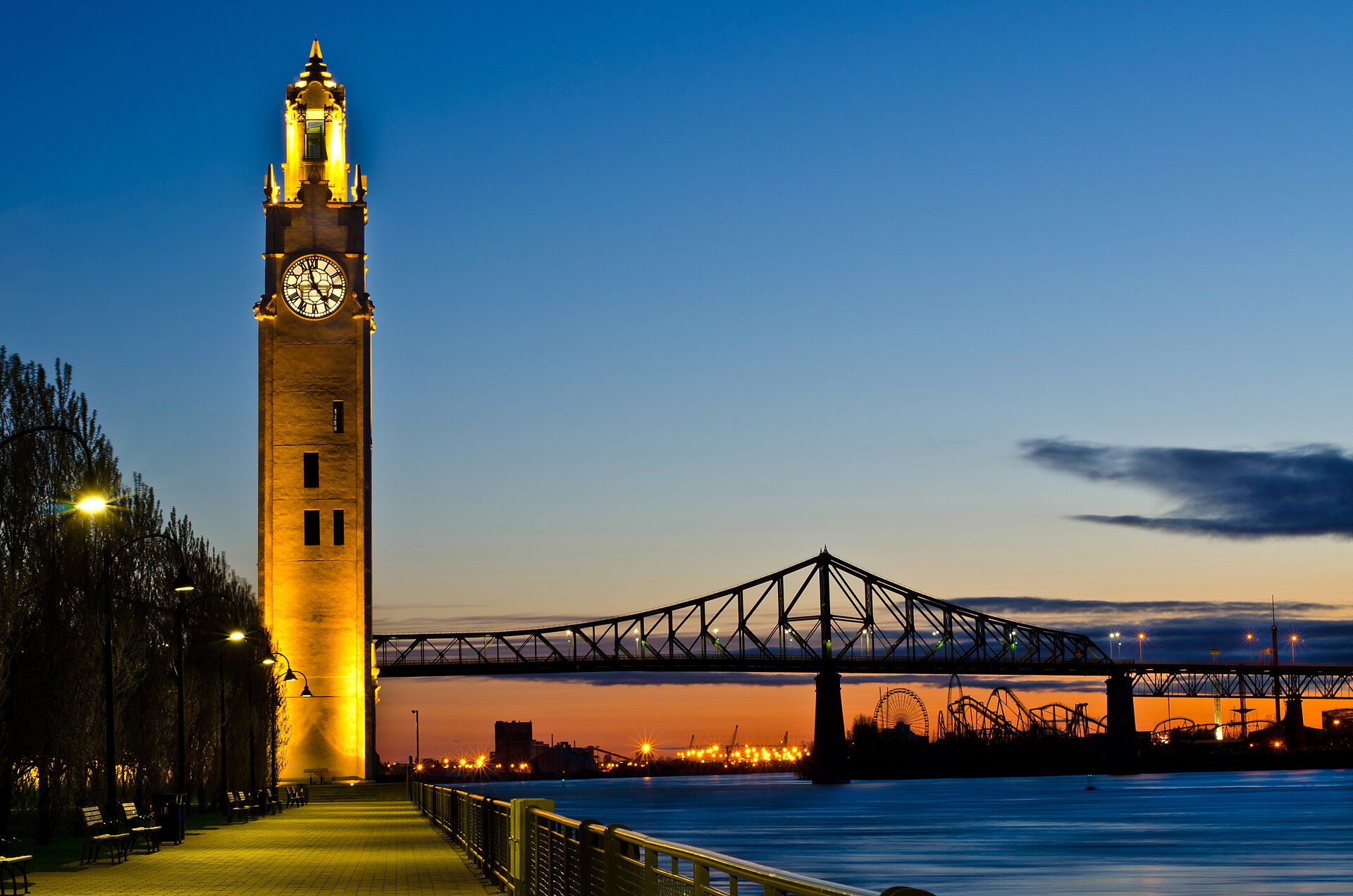
Photo: Michael Vesia / Wikimedia Commons, CC BY-SA 3.0
Sources: CTV News / The Canadian Press, MTL Blog
