


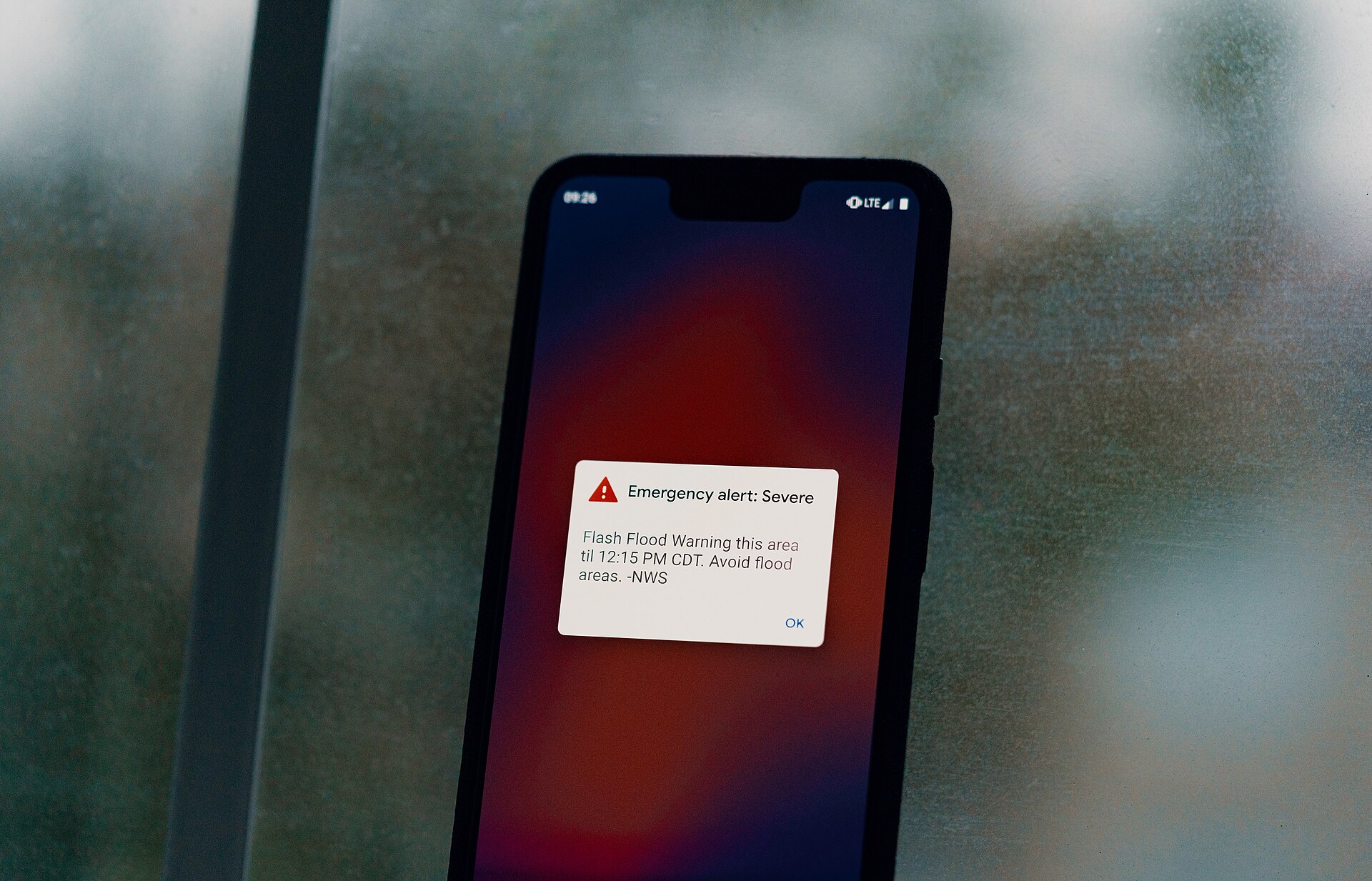
If your phone suddenly blares in the middle of a meeting this afternoon, don’t panic: it’s only a test. The Quebec emergency alert test is scheduled for today, Wednesday, Nov. 18, at 1:55 p.m., as part of a nationwide Alert Ready exercise. Cellphones, televisions and radios across the province should all carry the message. Here’s what to expect, why it happens, and what to do if your phone stays silent.
Quebec emergency alert test: when and where
According to the official Alert Ready testing schedule, Quebec’s test goes out at 1:55 p.m. Eastern time. Every province and territory is taking part today, at different local times. Ontario’s test, for example, is set for 12:55 p.m., so if you have family or colleagues across the Ottawa River, their phones will go off an hour before yours.
The test message will clearly say it is a test and that no action is required, according to Pelmorex, which runs the Alert Ready system. Each household gets a single test message from its provincial emergency management organization. In Quebec, that’s the government’s Québec En Alerte system.
What it will look and sound like
On your phone
Alerts reach compatible phones connected to an LTE or 5G network. They’re sent by cell broadcast, not as text messages, so you don’t need to sign up, and you can’t opt out. Quebec’s alert site, alerte.gouv.qc.ca, says your phone’s settings are generally respected (in silent mode, for instance, there may be no sound, depending on the device). If you’re on a call, you’ll hear a tone, and the alert will appear once you hang up. It won’t cut off your call. In Quebec, alerts are broadcast in French first, then in English.
On TV and radio
On television, the alert interrupts programming with a full red screen or a scrolling red banner with white text. On the radio, you’ll hear the distinctive alert tone followed by a spoken version of the message. If you’re driving at 1:55 p.m. with the radio on, keep your eyes on the road. There’s nothing you need to do.
Why test at all?
Broadcasters and wireless providers are required by the CRTC to run at least one public test alert per year, usually in May and/or November. Today’s is the second test of 2026, Global News notes. The point is to make sure the whole chain works, from the official who presses the button to the cell towers and TV stations. The test also gets people used to recognizing the sound so they react quickly when it’s real.
And it does get real. Pelmorex says the system has sent more than 1,215 emergency alert messages across Canada so far in 2026, for things like tornadoes, floods, wildfires and Amber Alerts. In Quebec, alerts can target a single region or the whole province. As the Microsoft outage that hit Montreal hospitals and Via Rail showed last week, it’s worth checking that critical systems work before you actually need them.
Didn’t get the alert? Here’s what to do
Not everyone will get the test on their phone. Pelmorex lists several possible reasons: the phone isn’t compatible, it isn’t connected to LTE or 5G, local cell tower coverage, or device settings and software. A phone that’s turned off won’t get the alert either. Older phones that only work on pre-LTE networks can’t receive alerts at all.
- Check that your phone’s software is up to date and that you’re on an LTE/5G connection.
- Ask your wireless provider whether your device is compatible.
- Report the problem through Quebec’s Québec En Alerte technical problem form, where you choose radio, TV or cell. If the problem was on your phone or TV, you should also tell your service provider.
Use the test as a reminder: is your 72-hour kit ready?
An alert is only useful if you’re ready to act on it. With winter coming (and a Montreal ice storm always a possibility), today is a good moment to check your household kit. The Quebec government’s emergency preparedness guide recommends having enough to get through the first three days of an emergency:
- Drinking water: 6 litres per person
- Non-perishable food for at least 3 days, plus a manual can opener
- A battery-operated radio and spare batteries
- A headlamp or flashlight with spare batteries, or a wind-up flashlight
- A lighter or matches, and candles
- A first aid kit
Check the kit once a year, and replace batteries, bottled water and expired food as needed. While you’re in winter-prep mode, make sure your car is ready too: winter tires are mandatory in Quebec from Dec. 1, and the city has outlined its new snow removal plan for the season.
So, at 1:55 p.m.: read the message, take a breath, and carry on. Then maybe spend five minutes on that emergency kit. For more practical local news, follow our Everyday News section. Bonne journée!
More on MTL365
- Christmas Lights in Montreal 2026: Where to See the City Glow This Holiday Season
- Game Day: Canadiens vs Devils in Newark
- The Best Shawarma in Montreal: 10 Counters Worth the Garlic Breath
- More Everyday News stories: mtl365.ca/category/everyday-news/
Photo: Tony Webster from Minneapolis, Minnesota / Wikimedia Commons, CC BY 2.0. Sources: Alert Ready, Pelmorex, Québec En Alerte, Global News, Gouvernement du Québec.
