


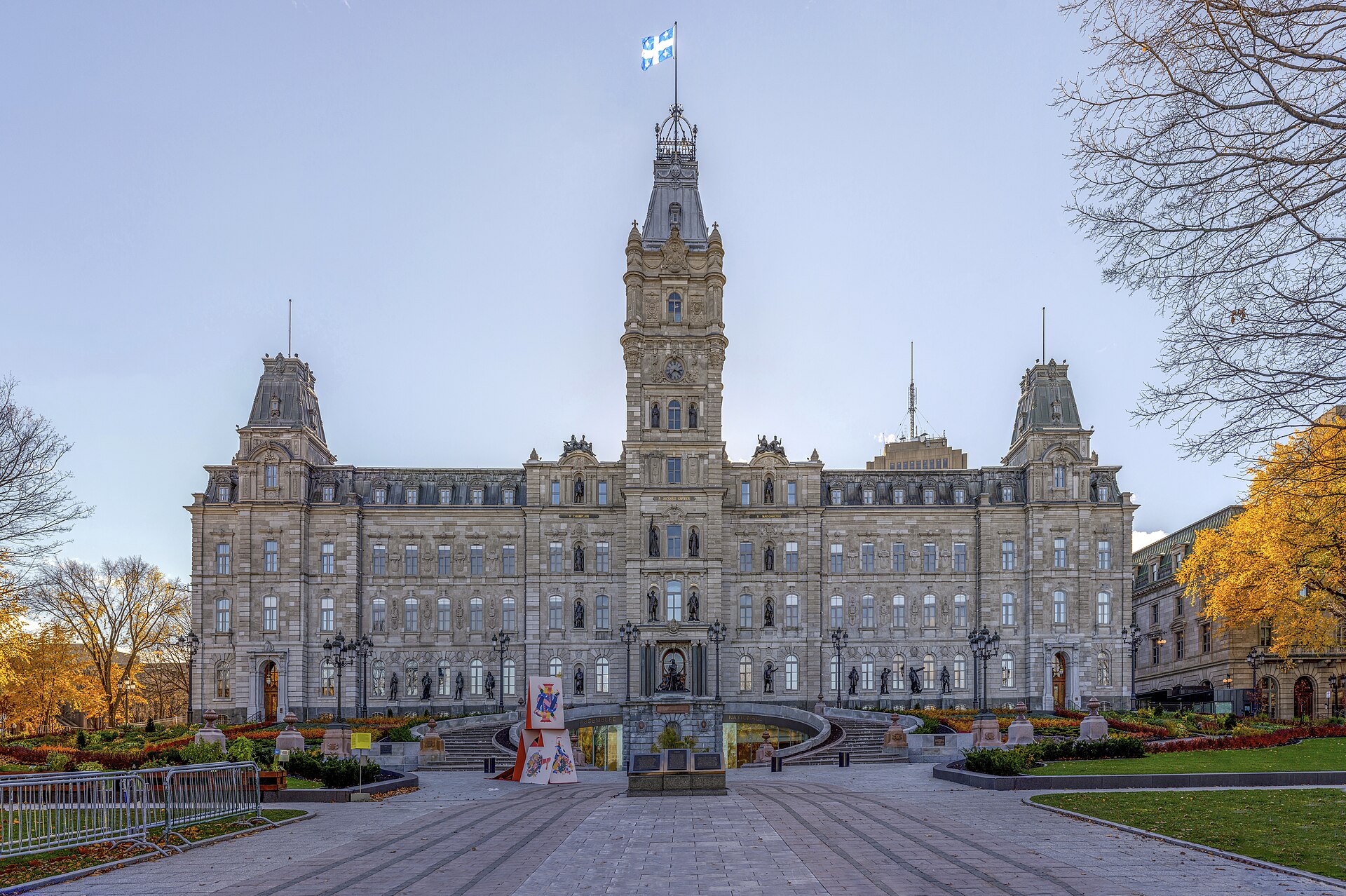
It’s official: Quebec has turned the page. Today, Thursday, October 15, the 59 Parti Québécois candidates elected on October 5 are being sworn in as members of the National Assembly in Quebec City, including Premier-designate Paul St-Pierre Plamondon. For a party that many had written off only a few years ago, it’s a remarkable moment, and for Montrealers it marks the start of a very different era at the provincial level.
The PQ will govern as a minority. Here’s how the new National Assembly breaks down after election night:
- Parti Québécois: 59 seats
- Quebec Liberal Party: 40 seats
- Conservative Party of Quebec: 19 seats
- Québec Solidaire: 9 seats
- Coalition Avenir Québec: 0 seats
Yes, you read that last line correctly. The CAQ, which governed Quebec for two mandates under François Legault, was wiped off the electoral map entirely.
The Oath Question Is Back
Today’s ceremony isn’t happening in a vacuum. St-Pierre Plamondon has committed, just as he did back in 2022, not to swear the oath of allegiance to the King. Quebec law currently allows MNAs to bypass that oath and take only the oath to the people of Quebec, but that law is the subject of an ongoing legal battle, and an injunction has been filed seeking to force the incoming PQ government to take the oath to the Crown.
Expect this to be one of the first big symbolic fights of the new legislature, and one that will get a lot of attention far beyond Quebec’s borders.
What Happens Next: Key Dates
- Today (Oct. 15): PQ MNAs sworn in at the National Assembly.
- Next week: MNAs from the Liberals, Conservatives and Québec Solidaire take their oaths.
- Monday (Oct. 19): The CAQ is expected to announce its interim leader.
- Wednesday (Oct. 21): The new PQ cabinet is sworn in, the moment we’ll find out who runs key files like health, transit and housing.
The CAQ Picks Up the Pieces
On Wednesday, the outgoing CAQ held its final cabinet meeting in Quebec City. Heading in, outgoing justice minister Simon Jolin-Barrette admitted he’s thinking about succeeding Christine Fréchette as party leader, saying a “period of reflection” is beginning and that the party needs to conduct a post-mortem as a team. Outgoing domestic security minister Ian Lafrenière has also said he’s “considering his options.” The party’s executive council must name an interim leader by the end of this week.
Meanwhile, the transition is already underway: the Premier-designate and the outgoing premier have met to discuss the economy and the Churchill Falls file, two issues that will land on the new government’s desk immediately.
Not Everything Is Settled
The PQ has requested a recount in the Champlain riding for its candidate René Branchaud, and the party’s win with a record-low share of the popular vote has revived calls for electoral reform, a debate that could gain momentum in a minority legislature where every vote counts.
Why It Matters for Montreal
A minority government means the PQ will need support from at least one other party to pass legislation, so expect plenty of negotiation in the months ahead. For Montrealers, the big questions are practical ones: what happens with public transit funding (timely, with the STM Metro just celebrating its 60th birthday this week), housing affordability, health care wait times and the cost of living. And of course, the PQ’s long-standing sovereignty project will hover over every debate in the Salon bleu.
Whether you voted for them or not, one thing is clear: Quebec politics just got a lot more interesting. We’ll be following the cabinet announcement next week and what it means for the city. Restez à l’affût!
More on MTL365
- Habs Watch: Canadiens Sit at 3-3-1 After a Wild First Two Weeks. Here’s What We’ve Learned
- Halloween 2026 in Montreal: 15 Spooky (and Not-So-Spooky) Things to Do This October
- All the latest Montreal news on MTL365
Photo: Wilfredor / Wikimedia Commons, CC0
Sources: CBC News, Radio-Canada

