As the temperature finally starts to creep up and we see those first hints of spring slush on the streets of Montreal, the world stage is heating up in a way that’s far less welcome. While many of us were busy checking the latest coupon offers or planning our first terrace visits of the season, a massive shift happened in international waters.
If there were ever a "Main Character" in the world of global economics and maritime drama, it’s the Strait of Hormuz. This tiny, narrow stretch of water is currently holding the spotlight, and for a very big reason: Canada has officially joined the U.S.-led coalition to keep it open.
On s’entend que c’est une grosse nouvelle. It’s a move that marks a significant pivot in our foreign policy and one that hits closer to home than you might think when you’re filling up your tank at the local gas station.
The Main Character: Why the Strait of Hormuz Matters
To understand why our government is sending resources halfway across the world, you have to look at the map. The Strait of Hormuz is the world’s most important oil chokepoint. It’s a narrow gateway between the Persian Gulf and the Gulf of Oman, and at its narrowest point, it’s only about 21 miles wide.
Think about that for a second. In Montreal terms, that’s barely the distance from the West Island to the South Shore. Yet, through that tiny gap, nearly 20% of the world’s total oil consumption passes every single day. If the Strait of Hormuz were a celebrity, it would be the one everyone is obsessed with: the one whose every mood swing changes the stock market.
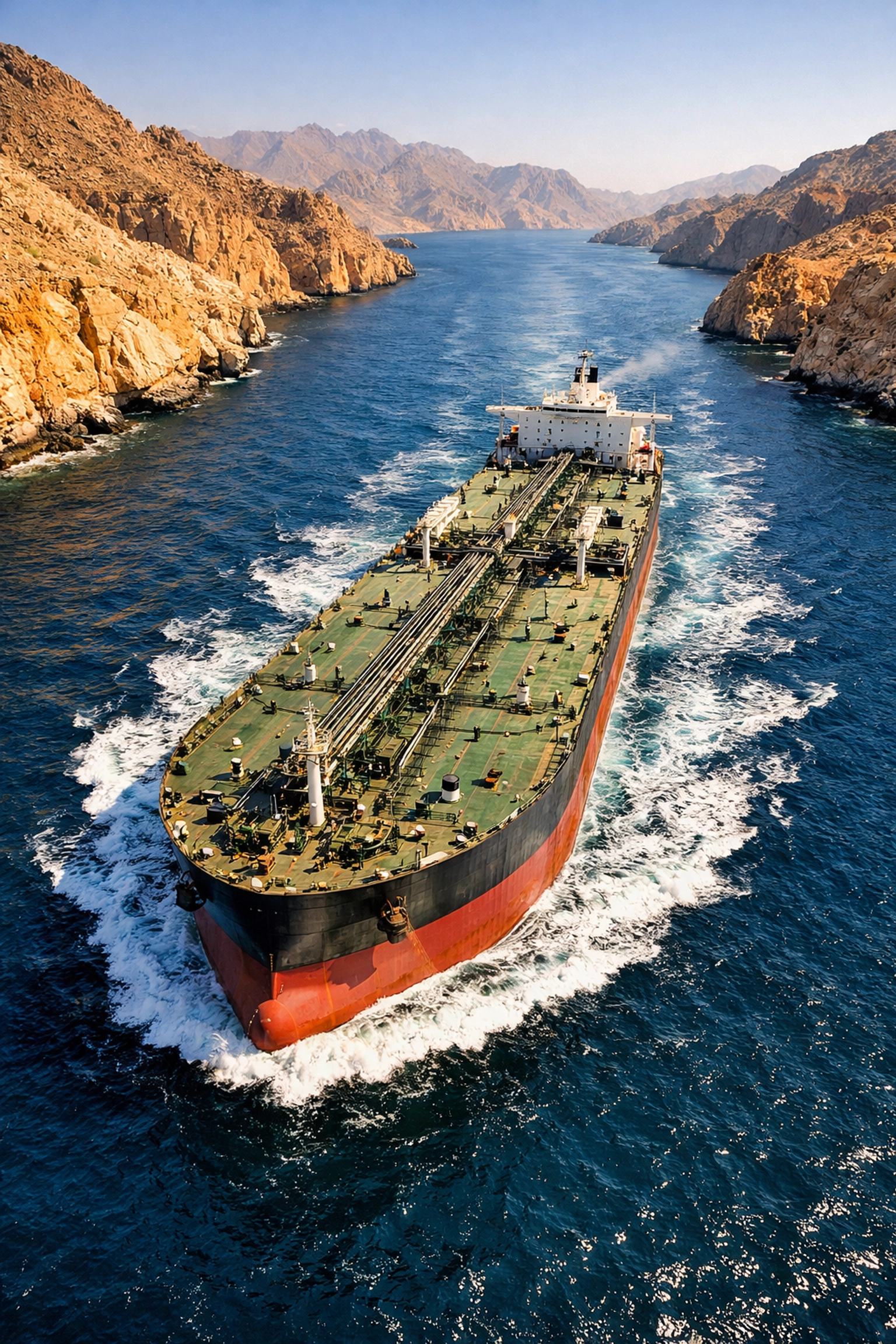
When things get tense in the Middle East, this "Main Character" becomes the center of a global thriller. Any threat to block the Strait is essentially a threat to turn off the lights for the global economy. For years, Canada has played a supportive but somewhat distanced role in these waters, but as of this week, we’ve stepped onto the stage in a much more direct way.
The Coalition: Why Canada Stepped In Now
You might be asking, pourquoi maintenant? Why did Canada decide to join the U.S.-led coalition specifically at this moment? While the situation has been simmering for years, the recent escalation in regional conflicts has made the risk of a total blockade too high to ignore.
Canada has always been a champion of international law and the "rules-based order." In our blog section, we often talk about community and local spirit, but on a global scale, that community depends on ships being able to move freely through international waters. When that freedom of navigation is threatened, the ripple effect is felt everywhere: from the shipping docks in Vancouver to the Port of Montreal.
Joining the coalition isn't just about military might; it’s a diplomatic signal. By standing shoulder-to-shoulder with the U.S., the U.K., and other allies, Canada is saying that we won’t stand by while global trade is held hostage. It’s about ensuring that international law isn’t just a suggestion, but a standard that is actively defended.
The Impact at the Pump: From the Gulf to Montreal
Let’s get real for a minute: global geopolitics can feel a bit abstract until you see the price of gas at the station around the corner. We’ve all felt the sting of rising costs lately. Whether you’re commuting from Laval or just trying to get across the city, the "Hormuz factor" is a major player in your monthly budget.
If the Strait were to close, or even if the threat levels remain as high as they are, oil prices could skyrocket to levels we’ve never seen. C’est le chaos assuré. By joining the coalition to keep the Strait open, Canada is effectively trying to stabilize the market.
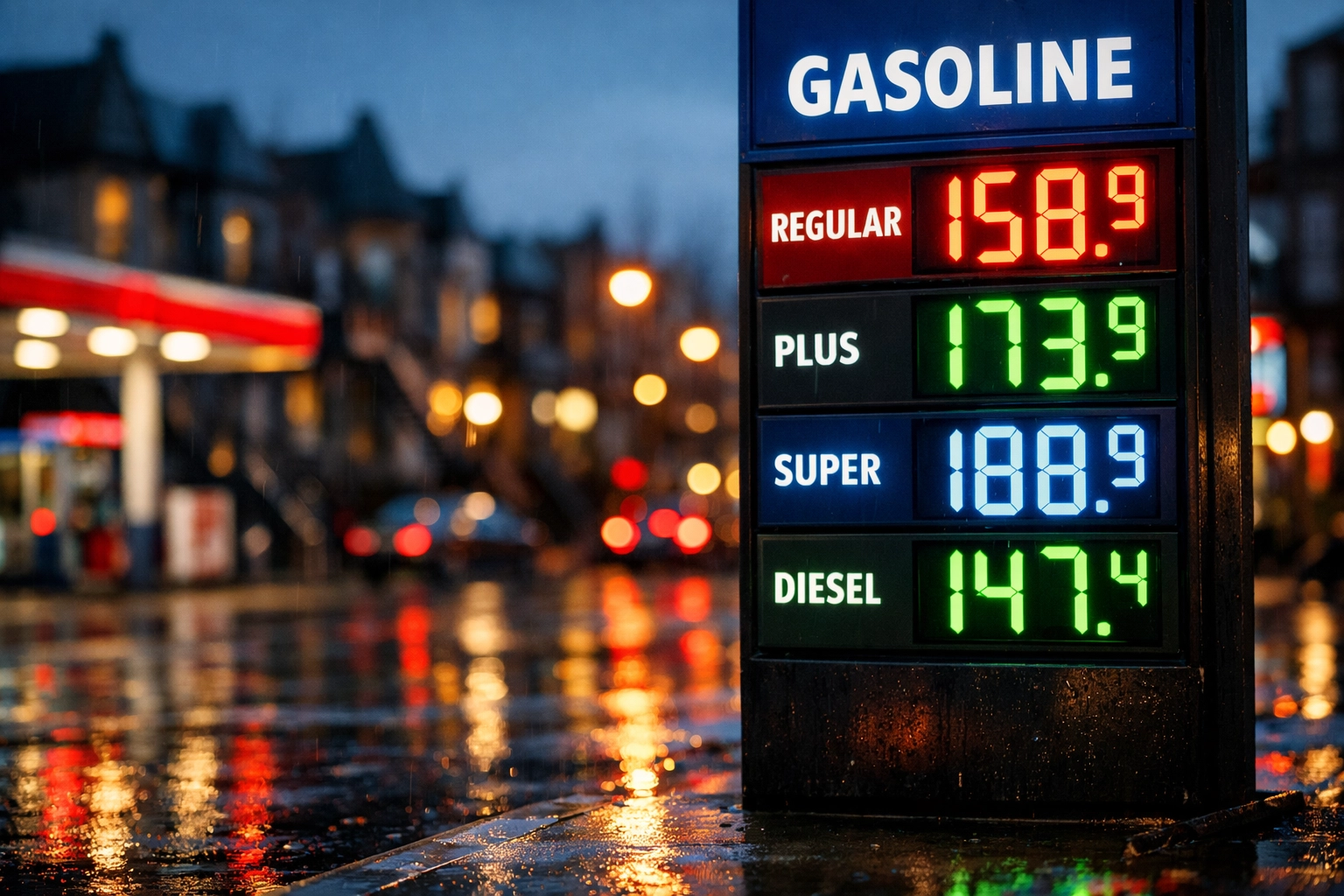
It’s a balancing act. On one hand, there’s the cost of military involvement and the risks that come with it. On the other, there’s the catastrophic economic cost of a global energy crisis. For the Canadian government, the math is clear: protecting the Strait is an investment in our own economic stability. You can see more of our takes on local and global issues by visiting our main page.
A Stance on International Law
Canada’s identity on the world stage has long been that of the "peacekeeper." However, the definition of peacekeeping is evolving. Today, peacekeeping involves protecting the vital arteries of global commerce.
By joining this coalition, Canada is reaffirming its commitment to the United Nations Convention on the Law of the Sea. This isn't just about oil; it's about the principle that no single nation should have the power to shut down a global transit route.
Au bout du compte, it’s about safety. Ensuring that commercial vessels: many of which carry goods that end up in our stores: can pass through without fear of seizure or attack. If you want to see some of the "boots on the ground" perspectives or video breakdowns of these maneuvers, check out our video section.
What This Means for Us
So, what does this look like for the average Montrealer? For now, it means seeing Canada’s name more frequently in international headlines. It means our naval resources are being deployed to a high-stakes environment where the margin for error is razor-thin.
But it also means that Canada is taking its seat at the big table. We aren't just letting our neighbors to the south handle the heavy lifting; we are contributing our own expertise and presence to a situation that affects us all. It’s a move that reflects the "vibrant" and "world-class" spirit we often celebrate in our city: a spirit of taking action rather than just watching from the sidelines.
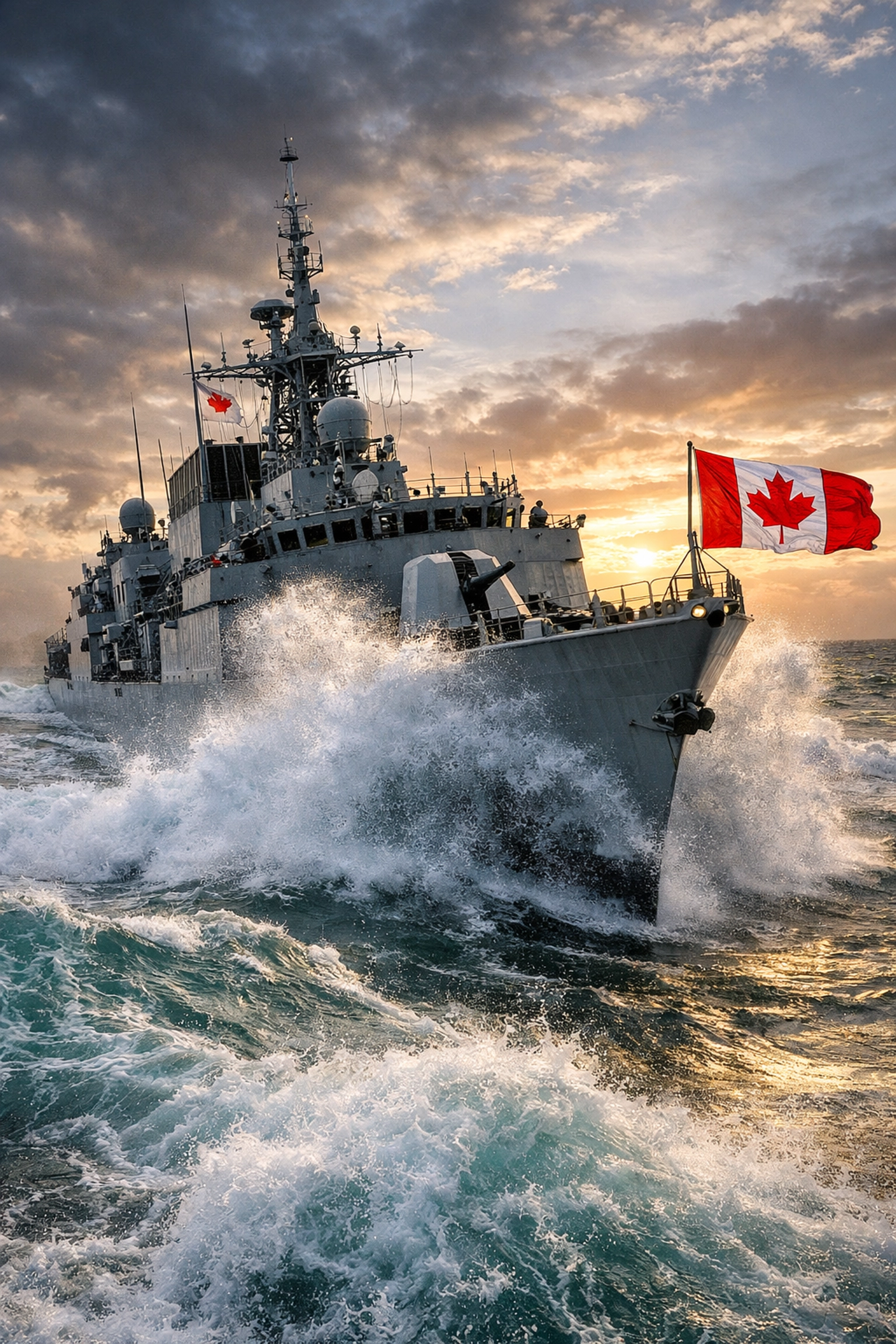
We know that war and international conflict can feel heavy, especially when there’s so much going on at home. But staying informed is part of being an engaged citizen. Whether we’re talking about the latest luxury food fest in Royalmount or a naval coalition in the Middle East, it’s all connected in the grand web of our modern world.
Final Thoughts
The Strait of Hormuz will likely remain the "Main Character" of the geopolitical world for the foreseeable future. Its influence is undeniable, and its stability is fragile. Canada’s decision to join the U.S. in protecting this vital passage is a bold move, intended to protect not just global trade, but the very principles of international cooperation.
As we move deeper into 2026, we’ll be keeping a close eye on how this situation develops. Will this coalition be enough to deter further aggression? How will it impact our domestic policies moving forward? There are plenty of questions, and we’re here to help navigate them with you.
If you have questions about how this affects local business or want to share your take on Canada's role in the world, feel free to contact us. We love hearing from our community!
Stay safe, stay informed, and let's hope for a peaceful resolution that keeps the world moving: and keeps the gas prices in Montreal from hitting the moon. À la prochaine!