


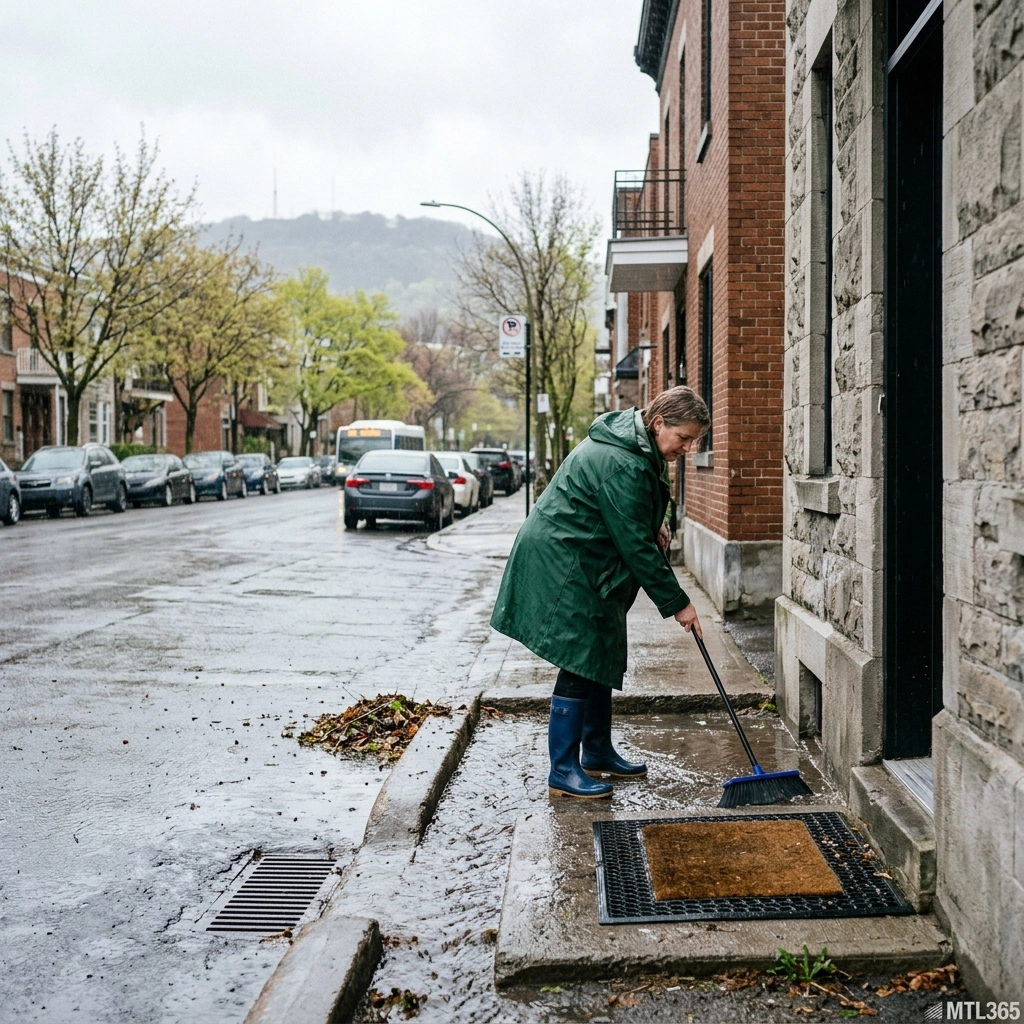
Montrealers, we’ve finally made it. The snowbanks are shrinking, the sun is actually staying out past 5 PM, and we can finally start dreaming about terrace season. But as any seasoned local knows, the transition from "Winter Wonderland" to "Summer Festival Paradise" comes with a messy middle ground. We’re talking about le dégel, the big thaw.
While we’re all excited to ditch the parkas, the rising temperatures and spring rains bring a specific kind of stress for homeowners: flash floods. Whether you’re living in a classic triplex in the Plateau or a detached home in the West Island, water is the one guest you don't want crashing your house party this spring.
In the world of Montreal local news, we see it every year, basements flooded, belongings ruined, and a whole lot of "I wish I’d checked that sooner." This year, let’s get ahead of the game. At MTL365, we want you to enjoy the vibrant energy of the season without worrying about your sous-sol becoming a swimming pool.
Here is your ultimate guide to protecting your Montreal home from flash floods this spring.
1. The High Ground: Start with the Roof and Gutters
As the temperature rises, all that snow sitting on your roof turns into hundreds of gallons of water. If it doesn't have a clear path down and away from your house, it’s going to find a way inside.
Check for Ice Dams: If you see massive icicles or a thick ridge of ice at the edge of your roof, you might have an ice dam. This prevents melting snow from draining, forcing the water to back up under your shingles and into your attic. If you're seeing water stains on your ceiling, fait attention, you’ve already got a leak.
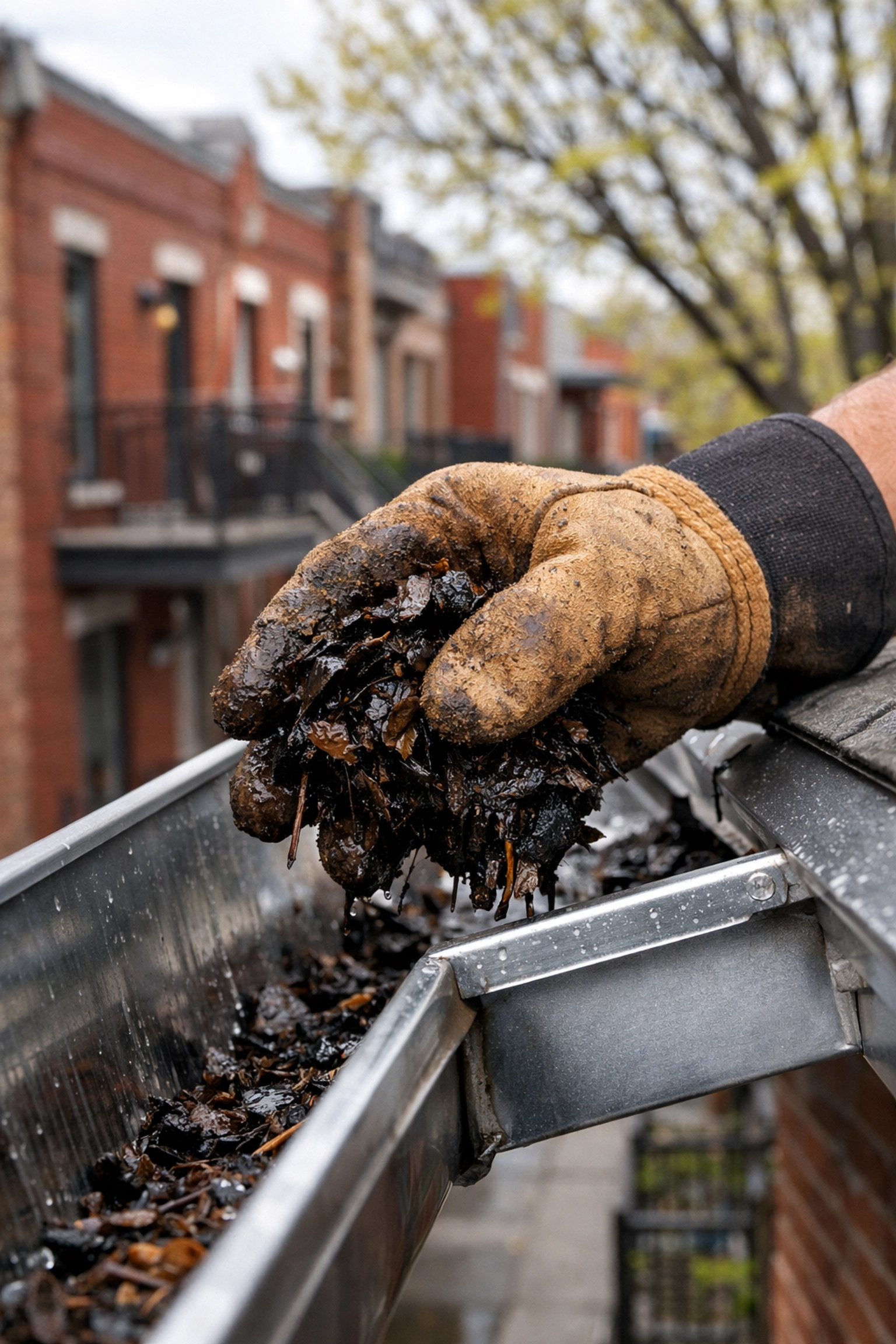
Clean Those Gutters: Our Montreal trees are beautiful, but they sure love to clog up our pipes. Take a ladder and clear out the dead leaves and grit from last autumn. If your gutters are overflowing during a rainstorm, that water is falling straight down next to your foundation, exactly where you don't want it.
Extend the Downspouts: This is the easiest "pro-tip" in the book. Ensure your downspouts are discharging water at least six feet away from your foundation. You can buy cheap plastic extensions at any local hardware store. It’s a $20 fix that can save you $20,000 in foundation repairs.
2. The Foundation: Walls and Window Wells
Water is persistent. If there is a tiny crack in your foundation, the pressure of the wet spring soil will find it.
Inspect the Perimeter: Take a walk around your house. Are there cracks in the concrete? Even "hairline" cracks can expand over time. While some minor cracks are normal for older Montreal homes, anything wide enough to fit a coin should be looked at by a pro.
Window Wells: If you have basement windows that are at or below ground level, you likely have window wells. Make sure these are clear of debris. If they fill up with water during a flash flood, it’ll press against the glass and eventually leak through the frame. Consider installing clear plastic covers over them to keep the rain out while still letting the light in.
Seal the Deal: Using high-quality sealants around windows, doors, and floor cracks is a great weekend project. It’s all about creating a "tight" envelope for your home. You can find plenty of helpful tips on our MTL365 blog regarding home maintenance and local living.
3. The Drainage: Grading and Landscaping
Most people don't think about the "grade" of their yard until they see a giant puddle leaning against their house.
Slope it Away: Your soil should slope away from your home’s foundation. Over the years, dirt settles. If you notice the ground near your walls is lower than the rest of the yard, grab some bags of topsoil and build it back up.
Permeable Solutions: If you’re planning a renovation, think about "permeable" landscaping. Traditional asphalt driveways just send water flying toward the street (or your garage). Using permeable pavers allows the water to soak into the ground naturally. It’s better for the environment and better for your basement.

4. The Basement Defense: Sump Pumps and Backwater Valves
If the water does get in, or if the Montreal city sewers get overwhelmed (which happens during heavy spring storms), you need a mechanical line of defense.
The Sump Pump: This is your basement’s best friend. It’s a pump sitting in a pit that kicks in when water levels rise, pumping it out and away.
- Pro Tip: Look into smart sump pumps. These Wi-Fi-connected models can send an alert to your phone if the water level gets too high or if the pump fails.
- Battery Backup: Montreal spring storms often come with power outages. A sump pump without power is just a bucket. Invest in a battery backup system so your pump keeps working even when the lights go out.
Backwater Valves: This is a crucial piece of hardware. It’s a one-way valve installed on your main sewer line. It allows waste to go out but prevents sewage from backing up into your basement when the city's pipes are full.
- Montreal Subsidies: Did you know that the City of Montreal and Laval often offer rebates or subsidies for installing backwater valves? It’s a massive "win" for homeowners. Check out the official city portals or our local news updates to see if you qualify for financial assistance.
5. Smart Tech and Modern Barriers
We aren't in the 1950s anymore. Sandbags are heavy, messy, and hard to store. If you live in a flood-prone area (looking at you, Pierrefonds and Ahuntsic), it’s time to upgrade your tech.
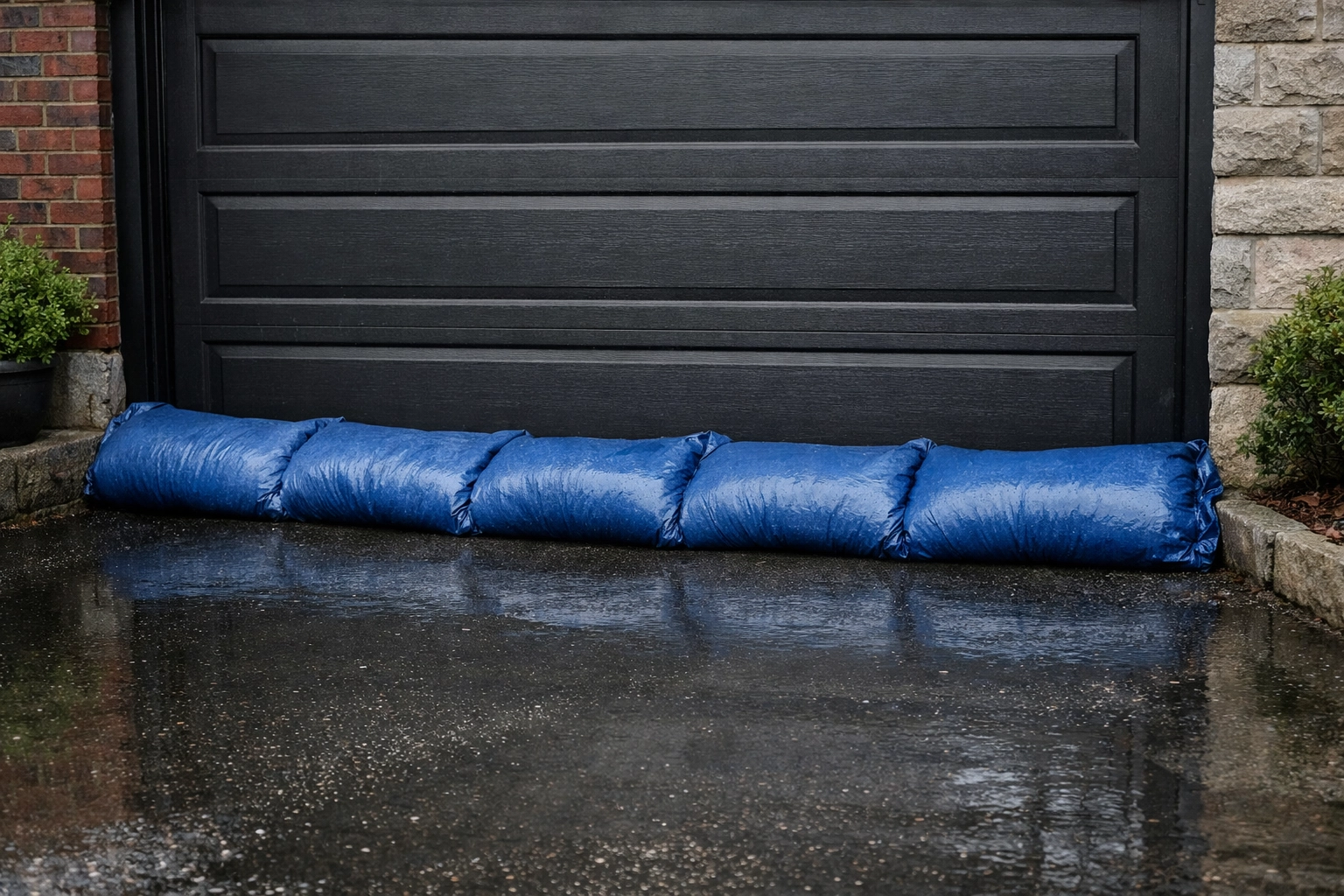
Water-Activated Barriers: These look like flat beanbags, but when they touch water, they expand into heavy, gel-filled "logs." They are incredibly effective for blocking doorways or garage entrances. They are lightweight until they’re needed and easy to toss away afterward.
Flood Sensors: For less than the price of a fancy dinner downtown, you can buy leak sensors to place near your water heater, washing machine, and sump pump. If a single drop of water hits them, your phone starts screaming. It’s the difference between catching a leak in 5 minutes and finding a lake in 5 hours.
6. What to Do If You Get Hit
Sometimes, despite our best efforts, Mother Nature wins. If you find water in your home:
- Safety First: Do not walk into a flooded basement if the power is still on. Electricity and water are a deadly combo. Turn off the main breaker if it's safe to reach.
- Document Everything: Take photos and videos before you start cleaning up. You’ll need these for insurance.
- Call the Pros: Mold starts growing fast. You need to get the water out and the air moving within 24-48 hours.
If you ever need to find local services or professionals to help with repairs, don't hesitate to contact us or check our coupon offers section for deals on home services and shopping.
The Bottom Line
Spring in Montreal is a time for celebration. It’s the return of the Jean-Talon Market in its full glory, the start of the festival extravaganza, and the general feeling that our "city of Saints" is coming back to life. Don't let a flash flood dampen that spirit.
Take an hour this weekend to walk around your property. Check the gutters, peek into the sump pump pit, and make sure your downspouts are pointing the right way. A little bit of prévention goes a long way.
Stay dry, Montreal! If you want to stay updated on everything happening in the city, from the latest "Montreal local news" to the best food and drink spots, make sure to bookmark MTL365. We're here to keep you informed and entertained all year long.
And hey, if you're looking for something a bit more fun after you've finished your chores, check out our entertainment coupons for a well-deserved break!
Protecting your home is part of being a Montrealer. We take care of our own, we look out for our neighbors, and we definitely don't let a little bit of melted snow ruin our spring vibes.
For more information on our site policies, please visit our Terms of Use and Privacy Policy pages.
